
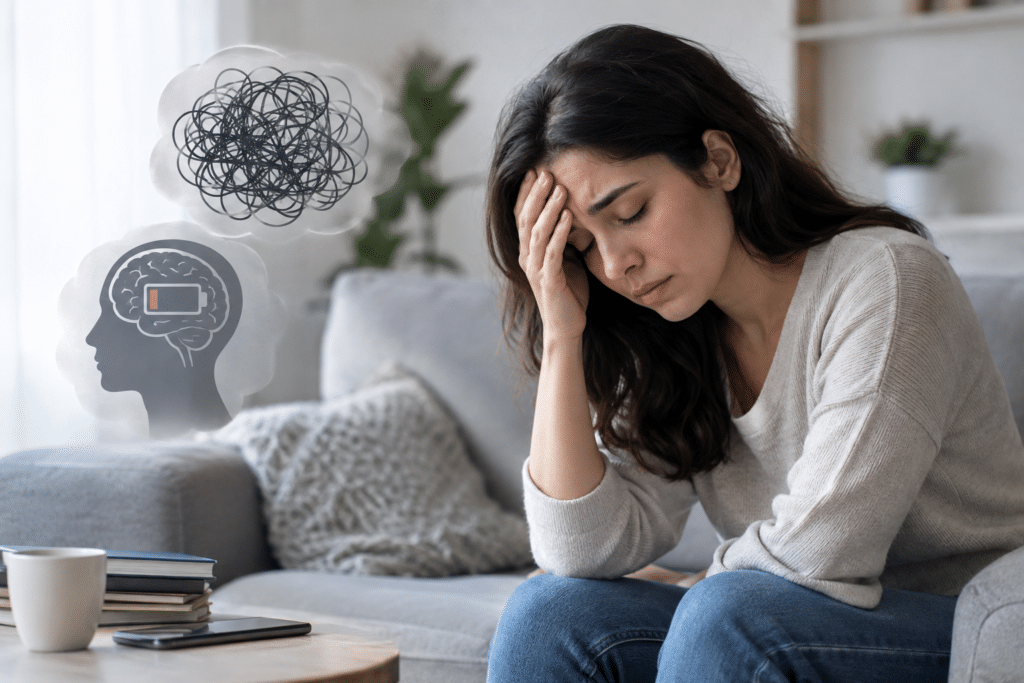
Can anxiety leave you exhausted? Discover how Chronic Fatigue and anxiety can affect your mood, sleep, focus, and mental health.
Feeling tired after a busy day is completely normal. But what happens when that tiredness does not seem to go away, even after you have had enough rest?
When anxiety and ongoing fatigue occur together, they can affect much more than your energy levels. They may influence your mood, concentration, sleep, motivation, relationships, and ability to handle everyday responsibilities.
Understanding this connection can help you recognise when constant tiredness may be more than simply having a stressful week.
Understanding the Connection Between Anxiety and Chronic Fatigue
Anxiety does not only affect your thoughts. It can also keep your body in a constant state of alertness.
When your mind is repeatedly thinking about problems, deadlines, health concerns, relationships, or what might go wrong, it can become difficult to truly relax. That ongoing mental tension can leave you feeling physically and emotionally drained.
At the same time, living with Chronic Fatigue can make everyday activities feel harder. When you struggle to keep up with work, social plans, or responsibilities, you may start worrying about falling behind or disappointing others.
This can create a frustrating cycle: anxiety increases exhaustion, while exhaustion makes anxiety harder to manage.
How Anxiety and Chronic Fatigue Affect Mental Health
Increased Stress and Emotional Exhaustion
Have you ever felt completely worn out even though you barely did anything physically demanding?
Constant worry can consume a surprising amount of mental energy. Over time, you may feel emotionally drained, less patient, and less able to deal with ordinary sources of stress.
Even small problems can feel much bigger when your mental battery is already running on empty.
Difficulty Concentrating and Making Decisions
Anxiety can make your mind jump from one concern to another, while ongoing fatigue can make it harder to stay focused.
You may experience brain fog, forget simple things, struggle to complete tasks, or take longer to make decisions. Something as basic as answering emails or planning your day can suddenly feel like a major project.
Changes in Mood
Low energy can affect how you feel emotionally.
You might become more irritable, frustrated, sensitive, or unmotivated. Activities you once enjoyed may no longer feel as appealing because you simply do not have the energy to participate.
Over time, these changes can affect your confidence and overall quality of life.
Social Withdrawal
When you feel exhausted or anxious, saying “no” to social plans can seem easier than explaining how you feel.
You may start avoiding friends, family gatherings, hobbies, or other activities. While taking occasional time to rest is healthy, regularly withdrawing from others can reduce the emotional support that helps you cope.
Can Anxiety Make Chronic Fatigue Worse?
It can. Ongoing anxiety may make it difficult for your mind and body to switch off.
Poor sleep can add another layer to the problem. You may spend the night worrying, wake up frequently, or wake feeling as though you have not properly rested.
Constant mental tension can then carry into the next day, leaving you feeling even more exhausted.
Addressing anxiety may therefore help improve sleep, emotional balance, concentration, and your ability to manage everyday activities.
Can Chronic Fatigue Increase Anxiety?
The relationship can work in the opposite direction too.
When you constantly feel low on energy, you may begin worrying about whether you will manage your responsibilities. You might think about missed deadlines, strained relationships, reduced productivity, or whether something is wrong with your health.
These concerns can increase stress, which may make it even harder to relax and sleep well.
In this way, fatigue can contribute to a cycle where worry leads to exhaustion and exhaustion leads to more worry.
Signs That Anxiety and Fatigue May Be Affecting Your Mental Health
Everyone feels tired or worried occasionally. However, it may be worth paying closer attention when symptoms become persistent or begin interfering with your daily life.
Some signs include:
- Persistent or excessive worry
- Feeling tired most of the time
- Difficulty falling asleep or staying asleep
- Trouble concentrating
- Low motivation
- Irritability or frequent mood changes
- Losing interest in activities you normally enjoy
- Avoiding social situations
- Feeling overwhelmed by everyday responsibilities
You do not need to experience every symptom for anxiety or fatigue to affect your mental wellbeing.
How Treatment Can Help
The first step is understanding what may be contributing to your symptoms. A mental health professional can assess your concerns and help identify whether anxiety, sleep problems, depression, stress, or other factors may be involved.
Therapy can be helpful for many people. Cognitive behavioural therapy (CBT), for example, can help you recognise unhelpful thought patterns, manage anxiety, and develop healthier ways to respond to stressful situations.
Better sleep habits, regular routines, healthy activity, and practical stress-management strategies may also complement professional treatment.
Most importantly, treatment should fit the individual. There is no single approach that works exactly the same way for everyone.
When Should You Seek Professional Support?
You should consider seeking professional support when anxiety or persistent fatigue continues to affect your everyday life.
Pay particular attention if your symptoms are interfering with your sleep, work, relationships, concentration, motivation, or ability to enjoy normal activities.
It is easy to dismiss constant tiredness as “just stress,” but persistent symptoms deserve proper attention. A professional assessment can help you understand what is happening and identify appropriate support.
Conclusion
Anxiety and Chronic Fatigue can affect mental health in ways that are easy to overlook. Constant worry can drain your energy, while ongoing exhaustion can make everyday stress feel much harder to handle.
The good news is that you do not have to simply push through these symptoms. Recognising the pattern early and seeking appropriate support can make them easier to manage.
If anxiety, fatigue, or both are affecting your quality of life, speaking with a qualified mental health professional can be an important first step towards feeling more like yourself again.
Frequently Asked Questions
Can anxiety cause chronic fatigue?
Anxiety can contribute to persistent tiredness by keeping the mind and body under prolonged stress. Worry, muscle tension, poor sleep, and emotional exhaustion can all contribute to low energy. However, persistent fatigue can have many possible causes, so professional evaluation may be helpful.
How does chronic fatigue affect mental health?
Ongoing fatigue can affect mood, concentration, motivation, sleep, and social activity. When everyday tasks become difficult, some people may also experience increased frustration, stress, or anxiety.
Can anxiety and fatigue occur at the same time?
Yes. Anxiety and fatigue can occur together and may reinforce each other. Anxiety can contribute to exhaustion, while ongoing tiredness may make it harder to cope with worries and daily responsibilities.
When should I seek treatment for anxiety and chronic fatigue?
Consider professional support when symptoms persist or interfere with sleep, work, relationships, concentration, or daily activities. A mental health professional can help identify possible contributing factors and recommend an appropriate treatment approach.
Can therapy help with anxiety-related fatigue?
Therapy may help when anxiety contributes to emotional exhaustion or poor sleep. Approaches such as CBT can help people manage anxious thoughts, develop healthier coping strategies, and improve their response to stress.